Trusted ERP Solutions Provider To Small, Medium and Large Enterprises

ERP Software for Manufacturing in London

In today’s competitive landscape, manufacturing businesses require a robust and efficient system to manage their operations. An ERP software for manufacturing can be a game-changer. It brings all aspects of the manufacturing process into a unified system, from inventory management to production tracking and financial control. In London, where businesses strive for innovation and operational excellence, ERP software is crucial to streamline operations, reduce costs, and ensure high-quality products.

ERP solution for sales funnel

Project Management & Scheduling

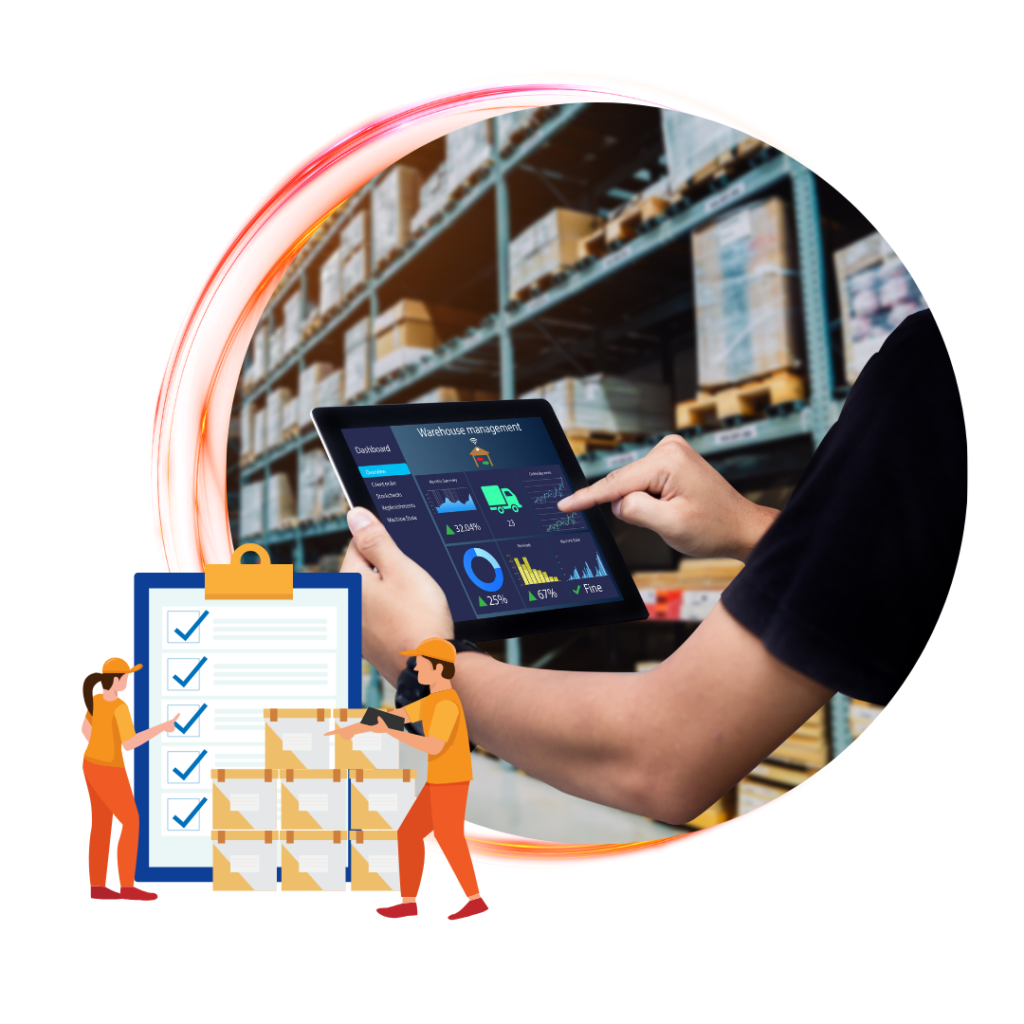
ERP for manufacturing in Dubai provides automated work assignments, and real-time tracking can simplify project schedules. Assure effective resource distribution and uphold smooth team-to-team communication from the office.

Budgeting & Cost Control

Small Business ERP Software provides comprehensive cost analysis allows you to track project expenditures and budgets in real time. Ensure that projects stay within budget by automating job costing and receiving alerts for possible overruns.

Vendor & Inventory Management

Manage vendor contracts and inventory levels with automated reordering and tracking. Track equipment, materials, and supplier performance for smooth project operations. with our Small Business ERP Software

Analytics & Reporting

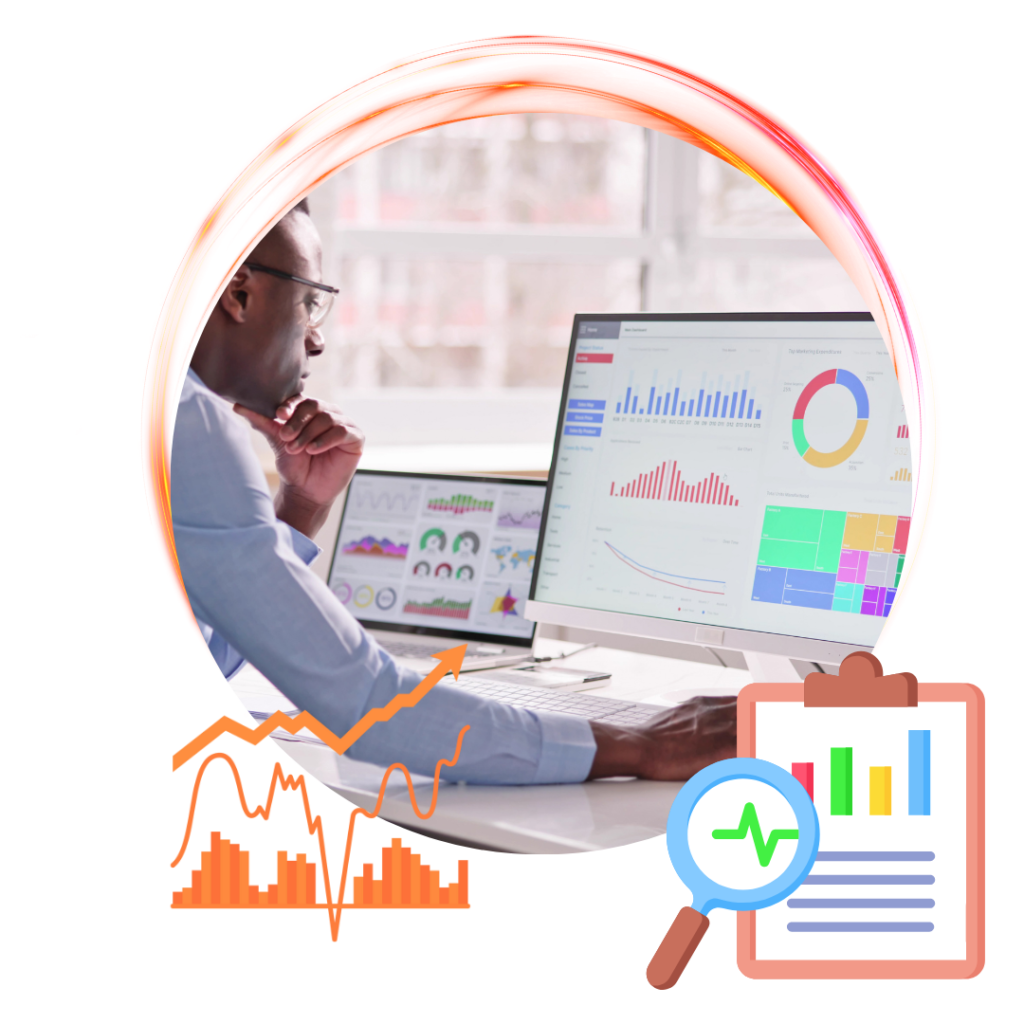
ERP for manufacturing in Dubaigives you live dashboards and customisable reports provide you with insights into the performance of your projects. Make data-driven decisions and maximize project outcomes by utilizing predictive analytics.

small business erp software

Integrated BOM for Seamless Workflow

A key component in manufacturing operations is the Bill of Materials (BOM). The BOM serves as a blueprint for what materials, components, and labor are required to build a product. With an integrated ERP for small businesses in manufacturing, you can create multilevel BOMs that include all the necessary details about materials, labor, and components, ensuring your manufacturing process is efficient and error-free.

  • Create and Monitor BOMs in Real-Time: As product requirements evolve, having the ability to revise BOMs in real-time is crucial. ERP software allows you to make immediate changes to your BOM, ensuring you meet current production demands.
  • Adaptable BOM Setups: Different products require different configurations. The best ERP software offers adaptable BOM setups, catering to a wide variety of product types and complexity.
  • Integrated Planning: Efficient production and inventory planning should be directly linked with BOM management. By aligning these aspects, you can streamline the entire production process, ensuring seamless workflow and reducing errors.
  • Minimize Mistakes: By standardizing BOMs and integrating them with production processes, you can significantly reduce mistakes in the manufacturing process, leading to better outcomes and fewer production errors.

ERP for Finance in Manufacturing

Quality Control and Management: Set Standards, Maintain Excellence

Effective financial management is essential for any manufacturing business. An ERP system provides a central platform to manage finances, track costs, and ensure profitability. Quality control is an integral part of manufacturing. With an ERP system, you can establish and maintain strict quality standards at every stage of production.

  • Monitor Defects: Track defect rates in real-time, enabling quick responses to quality issues.
  • Automated Inspections: Implement automated inspections to streamline the quality assurance process, ensuring that products meet the desired standards.
  • Data-Driven Insights: Use data-driven insights to identify recurring quality problems and address their root causes.
  • Quality Reports: Create comprehensive reports to evaluate quality performance, helping you make informed decisions for continuous improvement.
inventory management 1
ERP FOR FINANCE

Work Order Management

Detailed Orders, Smooth Production

With an ERP for manufacturing, managing work orders becomes simpler, ensuring that production is efficient and timely.

  • Comprehensive Work Orders: Generate work orders that include complete production specifications and instructions, reducing errors in the manufacturing process.
  • Prioritize and Assign Work Orders: Work orders can be assigned and prioritized based on production needs, ensuring that tasks are completed on time.
  • Track Progress: Monitor the progress of work orders to ensure everything is running smoothly and any potential delays are quickly addressed.
  • Resource Distribution: Track the allocation of resources via work orders, ensuring maximum efficiency in production.

ERP for CRM

Optimize Customer Relationships

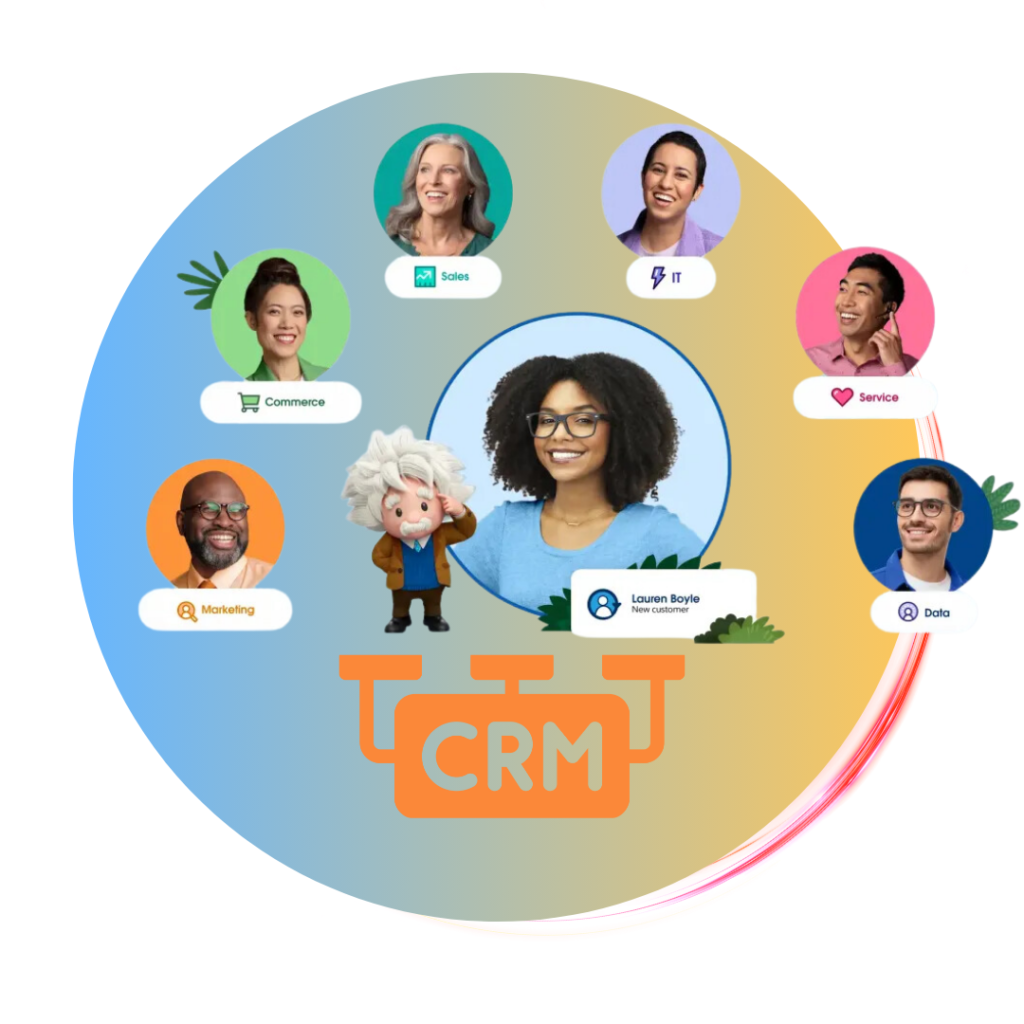
Managing customer relationships is crucial for long-term success in manufacturing. An ERP system integrates CRM functions, allowing for better customer satisfaction and operational efficiency.

Production Tracking and Monitoring: Optimize Utilization for Greater Output

ERP for CRM systems helps track production and workplace performance in real-time.

  • Real-Time Monitoring: Keep a close eye on production outputs and ensure adherence to schedules.
  • Bottleneck Identification: Quickly spot production bottlenecks and address delays.
  • Customer-Centric Follow-Ups: Customize follow-up actions based on customer history and behavior, improving customer satisfaction.
  • Pattern Analysis: Collect data and analyze trends to improve production processes.
analysis 3
erp for CRM

Maintenance Management

Prevent Downtime with Preventive Care

The maintenance of machinery and equipment is a critical aspect of manufacturing. An ERP system helps schedule and manage preventive maintenance.

  • Preventive Maintenance Scheduling: Schedule maintenance to avoid unexpected downtime and keep operations running smoothly.
  • Track Repair History: Monitor repair histories and expenses to keep track of each asset’s lifecycle.
  • Automated Reminders: Set up automated reminders for planned maintenance activities.
  • Lifecycle Management: Use lifecycle data to predict when equipment needs to be replaced, reducing unexpected breakdowns.
  • Maintenance Reports: Generate reports on asset performance and maintenance to ensure optimal operation.

Cost Management

Compare Costs, Maximize Gains

Managing production costs is essential for maintaining profitability. ERP systems provide real-time monitoring of expenses, allowing manufacturers to identify cost-saving opportunities.

    • Monitor Expenses: Keep an eye on labor, material, and production overhead expenses in real time, ensuring that costs are controlled.
    • Cost Variations: Analyze cost variations to identify areas where expenses can be reduced.
    • Budgeting and Forecasting: Use the data to create more accurate cost projections and production budgets for future cycles.
    • Cost Reports: Create detailed cost reports to evaluate profitability and refine future strategies.
product manegement 2
ecommerce 1

Demand Forecasting

Forecast Demand, Fulfill with Confidence

An essential component of any manufacturing operation is demand forecasting. ERP software can enhance forecasting accuracy by analyzing historical data and predicting future trends.

  • Accurate Forecasting: Utilize historical data to predict demand more accurately and ensure that production schedules align with market needs.
  • Adapt Production Schedules: Adjust production schedules to accommodate market or seasonal trends, preventing stockouts or excess inventory.
  • Sync Inventory Control: Synchronize inventory management with demand forecasts to optimize stock levels.
  • Predictive Analytics: Use predictive analytics to enhance planning accuracy and improve decision-making.

Product Lifecycle Management (PLM)

Manage from Concept to Completion

From design to end-of-life, managing the entire lifecycle of a product is critical for efficiency and compliance. An ERP system allows you to track and manage every phase of a product’s lifecycle.

  • Track Product Changes: Keep a record of modifications made to the product design, materials, and production methods.
  • Team Collaboration: Streamline collaboration among design, engineering, and production teams by integrating product data across departments.
  • Regulatory Compliance: Track product history to ensure compliance with legal and regulatory requirements.
  • Innovation: Use lifecycle data to enhance product design and foster innovation within your organization.
inventory management 1
small business erp software

Compliance and Regulatory Management

 Meet Standards with Ease

Manufacturers must comply with numerous regulations and standards. ERP systems ensure that compliance is met across all stages of production.

  • Industry Compliance: Ensure that production meets all safety and quality standards required by the industry.
  • Automate Documentation: Automate the generation of the necessary paperwork for inspections and audits.
  • Maintain Certificates: Keep track of certification statuses to ensure regulatory compliance.
  • Audit Preparation: Generate reports that make the audit preparation process faster and more efficient.

Capacity Planning

Flexible Capacity for Dynamic Demand

Effective capacity planning is essential for managing production schedules in a way that optimizes resource utilization.

  • Analyze Resource Capability: By analyzing available resources such as materials, equipment, and labor, an ERP system helps plan effective production schedules.
  • Balance Workloads: Workloads can be adjusted based on the availability of resources, ensuring that production goals are met without overburdening your workforce or equipment.
  • Resource Limitation Alerts: Identify and resolve resource limitations early on to prevent production delays.
  • Maximize Scheduling: Use capacity data to create more effective production schedules, adapting to both current demand and future forecasts.
analysis 3
inventory management 1

Job Costing and Estimation

Cost Trends that Guide Efficiency

An ERP system enhances job costing and estimation, helping manufacturers make more informed financial decisions.

  • Cost Estimation: Estimate the cost of labor, materials, and overhead for each job or project.
  • Track Profitability: Monitor the profitability of individual jobs, ensuring that production is efficient and cost-effective.
  • Refine Estimates: Improve future cost estimates based on historical data, allowing you to adjust pricing strategies and improve profitability.
  • Job Costing Trends: Analyze trends in job costing to identify areas for potential cost savings and operational improvements.

ERP for Finance

Data and Reporting Analytics

ERP software offers a wealth of data and reporting analytics to provide real-time insights into your business operations.

  • Customizable Reports: Generate tailored reports to gain insights into financial and operational metrics.
  • Dashboards: Use real-time dashboards to monitor key performance indicators (KPIs), such as production efficiency and quality.
  • Identify Areas for Improvement: Use data analytics to pinpoint areas where processes can be improved, reducing waste and increasing profitability.
Cross-Departmental Collaboration: Share reports across different departments to ensure everyone is on the same page when it comes to decision-making.
ERP FOR FINANCE
inventory management 1

Supplier and Procurement Management

Evaluate, Negotiate, and Grow

Managing suppliers and procurement processes is essential for maintaining production schedules and controlling costs. An ERP system streamlines procurement activities.

  • Supplier Evaluation: Evaluate suppliers based on performance metrics such as delivery accuracy and lead time.
  • Automated Reordering: Set up automated reordering systems to ensure timely materials availability, preventing production delays.
  • Contract Management: Regularly review and renegotiate supplier contracts to ensure the best possible terms.

“Make Every Journey Smooth—For Your Business and Your Customers.”

60%

Of entire conversations are handled on ERP Software

15

Minutes to convert a lead into sales

Seamless integration with 15+ popular business platforms

Frame 13 1 300x97 1
Frame 14 1 300x97 1
Frame 9 1 1 300x97 1
Frame 9 2 300x97 1
Frame 10 1 300x97 1
Frame 11 1 300x97 1
Frame 12 1 300x97 1
Frame 8 1 300x97 1
Frame 7 1 300x97 2
Frame 6 1 300x97 1
Frame 5 1 300x97 1
Frame 3 2 300x97 2
Frame 4 1 300x97 1
Frame 3 1 1 300x97 1
Frame 2 1 300x97 1
Mo Engage Revides 300x101 1

Get Started with ERP Today

FAQ-Frequently Asked Questions

ERP software for manufacturing is an integrated system that helps businesses manage various functions like production, inventory, finance, and quality control. By using ERP in your London-based manufacturing business, you can streamline workflows, enhance operational efficiency, reduce errors, and improve overall product quality

ERP for manufacturing helps create detailed work orders that include production specifications and instructions. It allows for the seamless assignment, tracking, and prioritization of tasks, ensuring smooth production workflows and timely completion of orders. With real-time monitoring, ERP software helps identify bottlenecks, leading to better efficiency in manufacturing operations.

Yes, ERP software for small businesses in London can monitor real-time labor, material, and overhead costs, helping manufacturers track expenses and optimize profits. Additionally, ERP tools offer demand forecasting capabilities that analyze historical data to predict future demand, enabling businesses to adjust production schedules and avoid excess inventory or stockouts.

ERP software for manufacturing helps businesses establish and maintain stringent quality control standards, track defect rates, and perform automated inspections. Additionally, it ensures compliance with industry safety and quality standards by automating regulatory documentation and helping businesses prepare for audits efficiently.

Choosing ERP software for manufacturing in London provides numerous benefits, such as improved production tracking, maintenance management, cost optimization, and resource planning. By integrating various departments like finance, CRM, and procurement into a single system, ERP software allows manufacturers to make data-driven decisions, optimize processes, and remain competitive in a dynamic market.


en_USEnglish